Slips, trips and falls are among the most common causes of injury in workplaces. They hurt people, disrupt operations and create liability. The floor is a major part of the story, but not the whole story. Whether someone slips depends on the floor surface, what is on it, the shoes on their feet, how it is cleaned and how it has worn. A slip-resistant floor coating is a powerful tool, but only when it is chosen with all of those in mind. Request a free estimate to discuss your project.
This guide explains how slip resistance works, how texture is built into resinous floors and how to choose the right level for each zone of a commercial or industrial space. It supports our service pages on restaurant and industrial epoxy flooring. It is general information and does not replace your own risk assessment or safety program.
How People Slip
A slip happens when there is too little friction between the shoe and the floor. A thin film of liquid, grease or dust can separate the two surfaces and reduce friction sharply. A floor that is safe when dry can be treacherous when wet or oily. Slope, speed, load carried, footwear and visibility all change how likely a slip is. That is why prevention works best as a combination of measures.
- Floor surface: texture, material and wear
- Contaminants: water, oil, grease, food, dust, ice and cleaning residue
- Footwear: sole material, tread and condition
- Cleaning: methods and products that leave residue or leave floors wet
- Environment: lighting, slope, transitions and traffic
- People and procedures: training, speed and housekeeping
How Texture Creates Grip
A smooth, glossy surface lets a liquid film spread flat under a shoe. Texture breaks that film up. Tiny peaks in the surface allow the shoe sole to contact the floor through the liquid, giving grip. Resinous floors get texture from aggregate, which is a fine granular material broadcast into or mixed with the coating, then sealed under a topcoat. Different aggregate sizes and amounts give different levels of grip.
The aggregate can be graded and combined to suit each zone. Common approaches include fine textures for light-duty and cleanable areas, medium textures for wet or greasy processing areas, and heavy textures for ramps and areas with standing water or severe contamination.
The Trade-Off: Grip vs Cleanability
More texture means more grip, but also more places for dirt, grease and bacteria to settle, and harder cleaning. In a food plant, a very rough floor can be difficult to sanitize. In a warehouse, it can be hard on pallet jacks and wheels. The right level is the lowest texture that gives safe footing in the real conditions of that zone, together with a cleaning method that works on it.
Match the texture to the zone, not the building. A hot, greasy wash area needs more grip than a dry packaging line or a corridor. Specifying one heavy texture everywhere makes cleaning harder, and one smooth finish everywhere leaves wet areas exposed.
Choosing Texture by Zone
- Dry offices, showrooms and corridors: smooth or very fine texture, with attention to entrances where wet shoes arrive
- Entrances and vestibules: a fine to medium texture, with walk-off mats, to deal with snow, slush and rain
- Kitchens and food prep: medium texture for grease and water, matched to your cleaning method. See commercial kitchen floors.
- Wash areas and dish pits: medium to heavy texture in standing-water zones, with good drainage
- Food and beverage processing: graded by zone, balancing grip with sanitation. See food processing plant flooring.
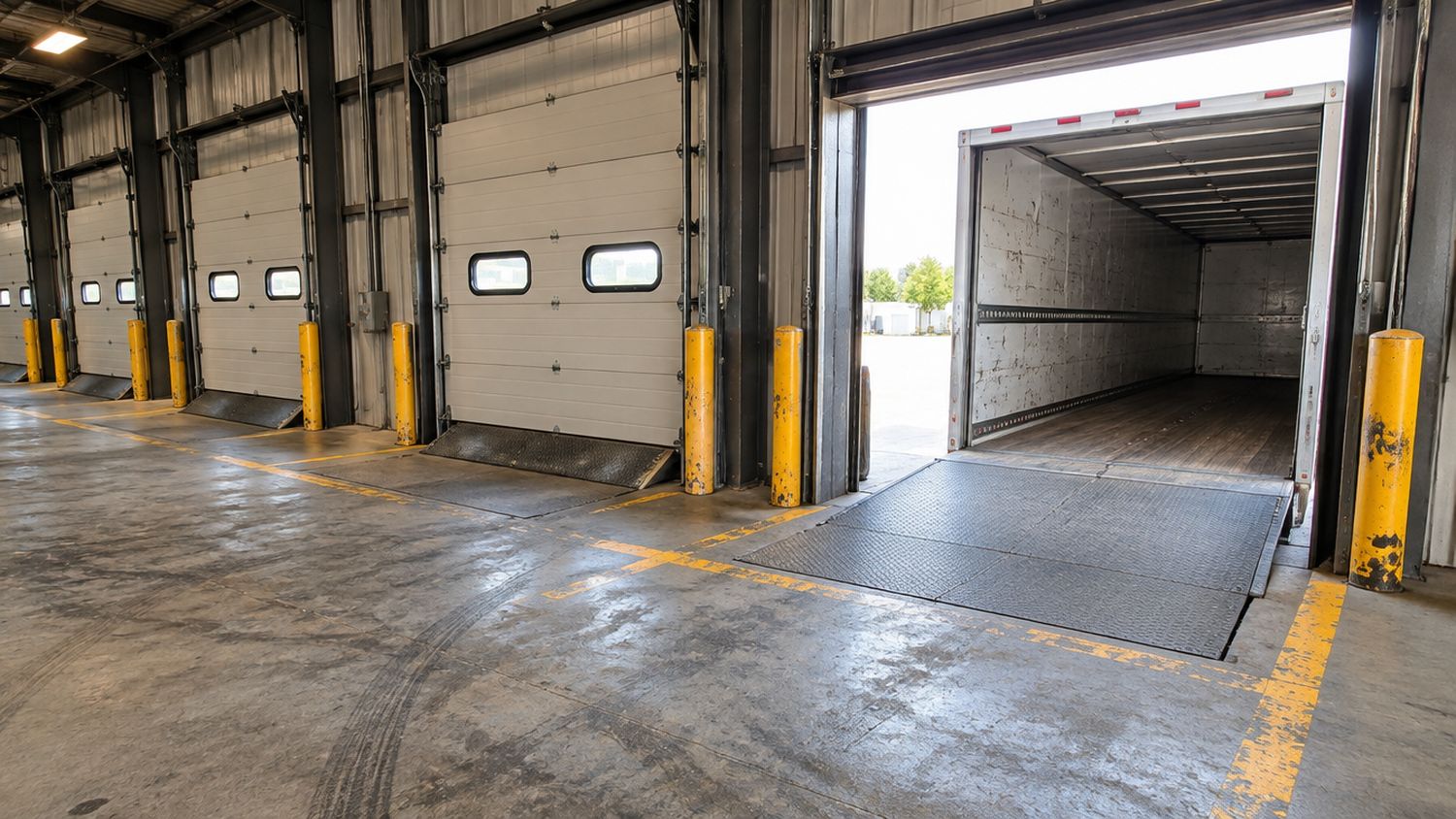
- Warehouses and docks: fine to medium texture, with consideration for wheeled traffic and wet dock entrances
- Ramps and slopes: heavier texture for traction, especially in cold or wet conditions
- Pool decks and spa areas: slip-resistant surfaces that are also comfortable for bare feet
Measuring Slip Resistance
Slip resistance is measured with different methods, and results depend on the test. Tribometers measure friction between a standard shoe or sensor and the floor, wet or dry. Pendulum testers swing a rubber slider across the surface and measure the energy lost. Standards bodies publish methods, and some apply to specific floor types. For example, the industry has standards for measuring the wet dynamic coefficient of friction of tile, and other standards cover walkway surfaces and pendulum testing.
No single number guarantees safety. A test describes a surface under particular conditions, with a particular test shoe and liquid. Use data as a guide, and ask suppliers for results on the exact finish you are considering, including the texture and the topcoat. If slip resistance is critical, ask for testing of the installed floor.
Workplace Duties and Standards
Ontario employers have duties under the Occupational Health and Safety Act to take reasonable precautions to protect workers, and O. Reg. 851 for industrial establishments includes requirements about floors and walking surfaces. Those rules do not name a single required coefficient of friction for every setting. Many organizations set their own standards, based on their risk assessments and guidance from their safety committees. Your joint health and safety committee and your insurer may have views too, so involve them early.
Beyond the Floor: Other Controls
- Footwear: slip-resistant footwear rated for the conditions makes a large difference
- Housekeeping: clean spills quickly and keep walkways clear
- Drainage and slope: make sure water leaves the area rather than pooling
- Mats: use entrance and workstation mats, and keep them in good condition
- Signage and training: make people aware of wet areas and procedures
- Lighting: good visibility helps people see changes in surface and level
- Cleaning methods: use products and equipment that do not leave a slippery film
Maintaining Slip Resistance Over Time
Texture can wear away or clog. Heavy traffic polishes the peaks, and grease, soap film and dirt fill the valleys. Cleaning with the right products and methods keeps texture open. Regular inspection of high-risk areas shows when texture is fading. A refreshed topcoat with new aggregate can restore traction before it becomes a problem. Our article on maintaining commercial and industrial epoxy floors explains the routine, and our article on why epoxy floors fail describes wear patterns.
Questions to Ask Before You Choose
- What contaminants reach each zone, and how often?
- What footwear do staff wear?
- How will each zone be cleaned, and with what tools and products?
- What texture and test data exist for the proposed finish?
- How will texture be maintained and renewed over time?
- Does the layout have slopes, ramps or transitions that need extra attention?
Common Mistakes with Slip-Resistant Floors
- Using one texture for the whole building. Different zones need different levels of grip.
- Choosing texture without thinking about cleaning. A floor that cannot be cleaned properly becomes slippery with residue.
- Relying on the floor alone. Footwear, drainage and procedures are part of the answer.
- Forgetting wear. Texture fades in heavy traffic, so plan inspections and renewal.
- Ignoring transitions. A change from rough to smooth, or wet to dry, is a risk point that needs attention.
Walking the floor in different conditions, such as after washdown, in winter boots and at shift change, shows where the real risks are.
Key Takeaways
- Slips depend on the floor, contaminants, footwear, cleaning and procedures together
- Texture creates grip, but more texture makes cleaning harder, so match it to each zone
- Ask for test data on the exact finish, and understand what the test conditions were
- Keep texture open with the right cleaning, and renew it before it wears away
- Use floor choice alongside footwear, drainage, mats and training
Why you can rely on this guidance. Supreme Epoxy is a commercial, industrial and residential flooring contractor established in 2019, WSIB and business insured, with a 4.9 out of 5 rating from 117 Google reviews. We install the floors we write about, including warehouses completed in as little as three days and overnight installs for operations that cannot stop. This article is general information, not engineering or legal advice. We specify texture by zone and discuss cleaning methods with clients, so floors stay safe and cleanable. Every site is different, so confirm requirements for your own space.
Standards and Sources
These public sources are useful starting points. Check the current version of each before relying on it.
- Occupational Health and Safety Act (Ontario): sets employer duties to take reasonable precautions to protect workers
- O. Reg. 851, Industrial Establishments (Ontario): includes requirements for floors and walking surfaces in industrial establishments
- Published slip resistance test methods and tribometer or pendulum test reports for the specific floor finish, which describe performance under stated conditions
- The technical data sheet of the floor system, which describes the aggregate and finish options
No single measurement guarantees that a floor is safe. Combine floor choice with footwear, cleaning, drainage and procedures, and follow your own risk assessment.
Talk to Us About Your Floors
If slips are a concern in your building, a site walk is a good starting point. Book a free site visit and we will look at each zone, discuss contaminants and cleaning and give you a written recommendation on texture and system.