An epoxy floor is one of the lowest-maintenance surfaces you can put in a commercial or industrial building, but low maintenance is not no maintenance. Floors that are cleaned correctly stay brighter, safer and more durable. Floors that are neglected, or cleaned with the wrong products, wear faster and look tired long before they should. The good news is that the right routine is simple, cheap and easy to teach to a team. Request a free estimate to discuss your project.
This guide sets out a practical maintenance plan for commercial and industrial epoxy floors, the mistakes to avoid and the signs that it is time for a refresh. It complements our articles on how long an epoxy floor lasts and why epoxy floors fail. For the floors themselves, see our commercial and industrial epoxy flooring pages.
Why Grit Is the Real Enemy
Most damage to a coated floor is not caused by spills or chemicals. It is caused by grit. Sand, salt, metal fragments and dust carried in on shoes and wheels act like sandpaper under every footstep and every cart. They scratch the topcoat, dull the gloss and gradually wear through to the base coat. Removing grit before it is ground into the surface is the single most effective maintenance habit.
- Entrance mats and walk-off systems catch most grit at the door
- Regular sweeping, dust-mopping or vacuuming removes what gets through
- Clean wheels and casters stop carts from spreading debris
- Dry cleaning before wet cleaning avoids smearing grit across the floor
A Simple Routine That Works
Daily
- Sweep or dust-mop the floor, concentrating on traffic lanes and entrances
- Clean up spills promptly, especially oils, acids, coloured liquids and chemicals
- Check entrance mats and clean or replace them when they are saturated
Weekly or as Needed
- Wash the floor with a neutral pH cleaner and clean water, using a mop, auto scrubber or soft brush
- Rinse well and remove standing water, so no film or residue is left
- Pay extra attention to corners, coves, drains and the edges of racking, where dirt collects
Monthly or Quarterly
- Inspect the floor for chips, cracks, worn areas and lifting edges
- Check joints, coves, drain edges and thresholds
- Review cleaning products and procedures against the manufacturer’s recommendations
- Photograph problem areas so you can track changes over time
Write the routine down. A one-page cleaning plan that lists the products, tools and frequency for each area, and who is responsible, prevents drift. It also helps new staff and contractors do the job right.
Choosing Cleaners and Tools
The wrong cleaner can dull a finish, leave a slippery film or even attack a coating. A few principles help:
- Use neutral pH cleaners or the products your installer recommends for your system
- Avoid solvents and strong acids or alkalis unless you know the coating is designed for them
- Skip waxes and polishes unless specifically recommended, since they can make floors slippery and hard to clean
- Choose soft pads and brushes for scrubbers, and avoid aggressive abrasive pads on gloss finishes
- Dilute as directed. More is not better, and over-concentrated cleaner leaves residue
- Rinse and dry to remove residue and reduce slip risk
If your operation uses specialized chemicals, tell your installer, who can confirm which cleaners are safe for the system.
Handling Spills, Stains and Tire Marks
- Oils and fats: absorb and wipe, then clean with a degreaser suited to the floor
- Acids and strong chemicals: neutralize and rinse promptly, because prolonged contact can damage some coatings
- Coloured liquids: clean quickly to prevent staining, particularly on light floors
- Rubber tire marks: use a cleaner and soft brush recommended for the floor, and avoid solvents that can soften the finish
- Rust and metal marks: deal with early, using a suitable method, and avoid acid cleaners unless approved
Protecting the Floor from Damage
- Use protective pads or glides under heavy furniture and equipment
- Avoid dragging pallets, steel and heavy loads across the surface
- Keep forklift forks and pallet jack edges from striking joints and floor edges
- Maintain wheels and tires, since damaged or contaminated wheels mark and scratch floors
- Use mats or barriers at stations where tools drop or hot parts are handled
- Keep joints filled and edges repaired so traffic does not damage them
Slip Resistance Over Time
Textured floors can lose some grip as the surface wears, and smooth floors can become slippery when residue builds up. Regular cleaning keeps texture clear and prevents film, and periodic checks in wet or greasy areas help you spot problems. If slip resistance declines, a refreshed topcoat with a suitable anti-slip additive can restore grip.
When to Refresh or Renew the Topcoat
Even well-maintained floors eventually wear in the busiest lanes. Signs that a topcoat is nearing the end of its life include dull patches that do not recover after cleaning, visible scratching and scuffing, thinning at joints and edges and areas where the base coat colour begins to show through. Catching it early matters. A fresh topcoat over a sound, bonded base is a relatively quick job, while waiting until the base coat is worn through makes the repair larger.
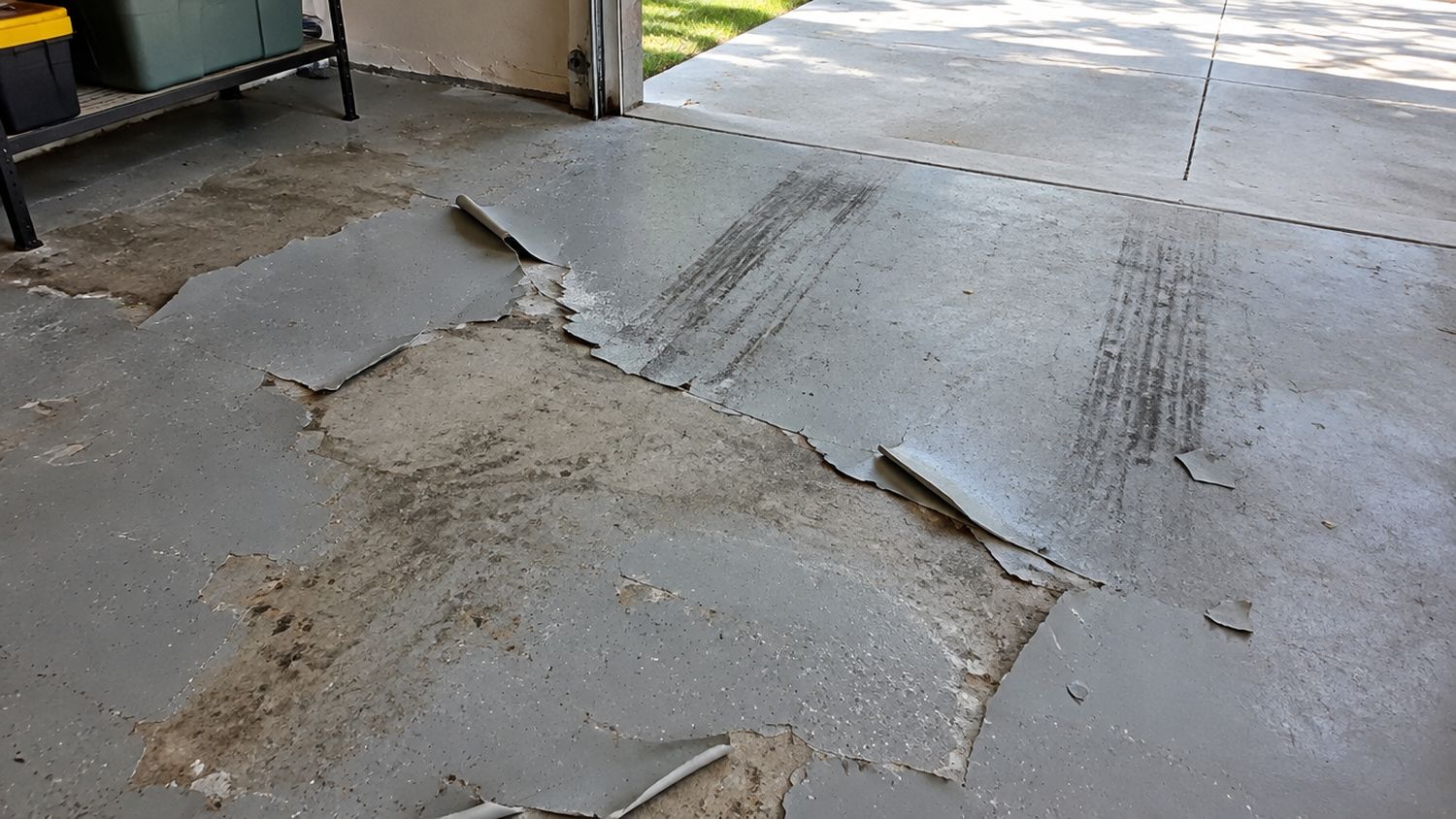
If the coating is lifting, peeling or blistering, that is a bond or moisture issue and needs assessment rather than a simple recoat. Our epoxy floor repair team can tell the difference and recommend the right fix.
Maintenance Differences by Setting
- Retail and offices: focus on grit control, regular wet cleaning and protecting the gloss in entrances and main aisles
- Kitchens and food areas: frequent washdowns, careful chemical choice, and attention to drains, coves and thermal shock
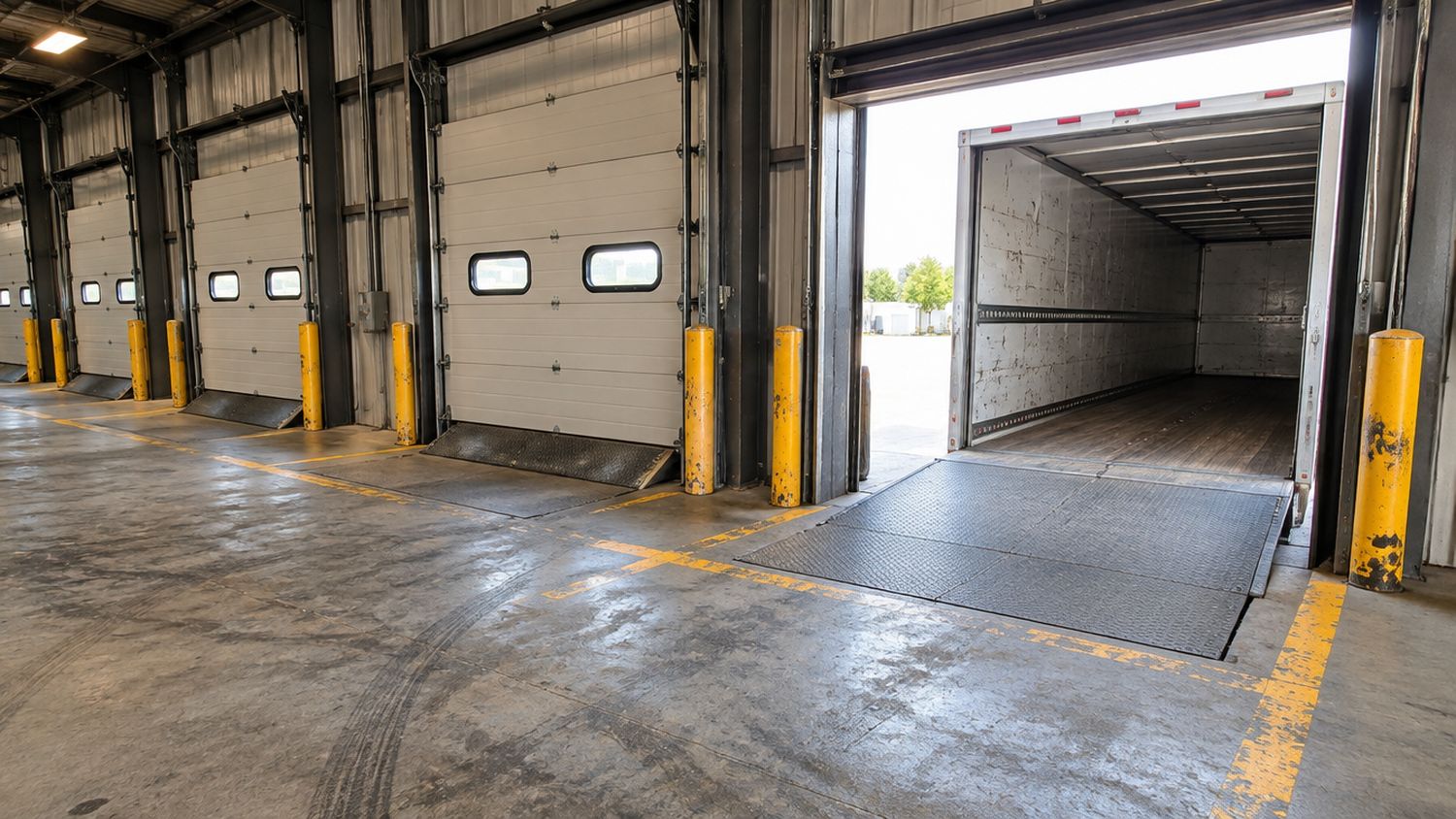
- Warehouses: sweeping or scrubbing to remove debris, joint inspection and care for markings in forklift lanes
- Manufacturing: spill response, chemical management and monitoring of high-impact areas
- Healthcare and labs: approved disinfectants, rinsing and prompt attention to damage at coves and edges
Common Maintenance Mistakes
- Using harsh solvents or abrasive pads that dull the finish
- Leaving spills overnight, especially acids, oils and coloured liquids
- Applying wax or polish that makes the floor slippery
- Washing without sweeping first, so grit scratches the surface
- Letting small chips and edge damage go until water gets under the coating
- Ignoring the floor until it looks bad, rather than inspecting regularly
Training Your Team
A maintenance plan only works if people follow it. Spend a few minutes showing cleaning staff and operators what products to use, how much to dilute them, which tools to use and what to avoid. Explain why: that grit scratches, that residue is slippery and that spills need quick attention. Post a simple chart at the cleaning station. Short, practical training saves far more than it costs, because it prevents the small mistakes that add up to a worn floor.
A Quick Inspection Checklist
- Is the gloss even, or are there dull patches in traffic lanes?
- Are there chips, cracks or lifting edges, especially at joints, doors and drains?
- Do coves and wall junctions look intact and sealed?
- Is the floor slippery after cleaning, which may point to residue?
- Are there stains or marks that are getting worse over time?
- Are protective measures such as mats and pads still in place?
If you answer yes to any of the problem questions, take photos and call us. Small repairs early are much easier than large ones later.
Planning Renewal into Your Budget
Treat topcoat renewal as a planned maintenance item, like repainting or servicing equipment. A floor that is inspected regularly and renewed at the right time rarely needs to be replaced. Build a simple schedule into your maintenance plan, review it annually and use photos from your inspections to decide when and where to act first. Our polyaspartic coating page explains how a durable, UV-stable topcoat can extend the life of a floor in busy or sunny areas.
Key Takeaways
- Grit is the main enemy of a coated floor, so entrance mats and sweeping come first
- Use neutral cleaners and soft tools, and avoid harsh solvents, waxes and abrasive pads
- Clean spills quickly, particularly acids, oils and coloured liquids
- Inspect regularly and fix small chips and edge damage before water gets under the coating
- Plan topcoat renewal in busy lanes before the base coat wears through
Why you can rely on this guidance. Supreme Epoxy is a commercial, industrial and residential flooring contractor established in 2019, WSIB and business insured, with a 4.9 out of 5 rating from 117 Google reviews. We install the floors we write about, including warehouses completed in as little as three days and overnight installs for operations that cannot stop. This article is general information, not engineering or legal advice. We give every client care instructions for their specific floor and system, and we can review your routine on request. Every site is different, so confirm requirements for your own space.
Ask for a Floor Review
If you are not sure whether your cleaning routine suits your floor, or your floor is starting to show wear, we can help. Book a free site visit and we will inspect the floor, review how it is cleaned and give you a written recommendation, whether that is a change to your routine, a topcoat refresh or a repair.