Walk into a dairy, brewery, bakery or commercial kitchen at the end of the shift and you will see the same ritual. Hoses come out, hot water and sanitizer hit the floor, steam rises and the whole room is washed down. It is essential for food safety and it is brutal on floors. Some coatings that look perfect on the day of installation fail within months of the first hot washdown. Request a free estimate to discuss your project.
This article explains what happens to a floor under hot water, why standard epoxy has limits and why urethane cement is often chosen for wet and hot areas. It builds on our overview of floor coating types and on our article on food processing plant flooring. For the service itself, see our urethane cement floor page.
What Happens to a Floor Under Hot Water
Concrete and coatings expand when they heat up and contract when they cool. Different materials do it at different rates. When hot water or steam hits a cool floor, the top layer heats quickly while the layers below stay cold. The surface wants to expand and the substrate holds it back. That mismatch creates stress, known as thermal shock. If the coating cannot absorb it, the bond to the slab weakens, and the coating can blister, crack or lift.
Repeated cycles make it worse. A floor that survives a few hot washdowns can fail after months of daily ones. Failures often start at drains, at wall junctions and along joints, where movement and heat are concentrated.
Why Standard Epoxy Has Limits
Epoxy is an excellent general-purpose floor coating, and it handles warm water and normal cleaning well. Its thermal expansion rate is much higher than concrete’s, however. When it is subjected to repeated hot water or steam, the difference puts strain on the bond. Epoxy can also soften at elevated temperatures, which makes it more vulnerable to indentation and wear.
That does not make epoxy a bad choice. It is the right answer in many dry and ambient-wet environments, and in many kitchens where water temperature is moderate. The point is to use it where it fits, and to switch to a more suitable chemistry where conditions exceed what it can take.
What Urethane Cement Is
Urethane cement, also called polyurethane concrete, combines urethane resin with cementitious fillers and aggregates. It is installed as a thick, dense layer, commonly much thicker than a typical epoxy coating. The mix is formulated so that its thermal expansion is close to that of concrete, and its structure helps it resist the stresses of heat and moisture.
- Thermal shock tolerance: designed to handle hot water, steam and temperature swings
- Thickness and body: a thicker build adds impact and abrasion resistance
- Moisture tolerance: cementitious composition handles damp slabs better than standard epoxy
- Chemical resistance: resists many food acids, sanitizers and cleaners, subject to the specific system
- Textured finishes: available with aggregates for slip resistance in wet, greasy areas
The short version. Epoxy is the right tool for most dry and ambient floors. Urethane cement is the right tool where hot water, steam, thermal shock or constant moisture are part of daily life.
Where Urethane Cement Is Commonly Used
- Food and beverage plants: wash bays, kill floors, cook rooms, kettle areas and process rooms
- Breweries and wineries: tank farms, filling rooms and wash areas
- Dairies and bakeries: wet processing and washdown areas
- Commercial and institutional kitchens: dish pits, pot wash areas and steam equipment zones
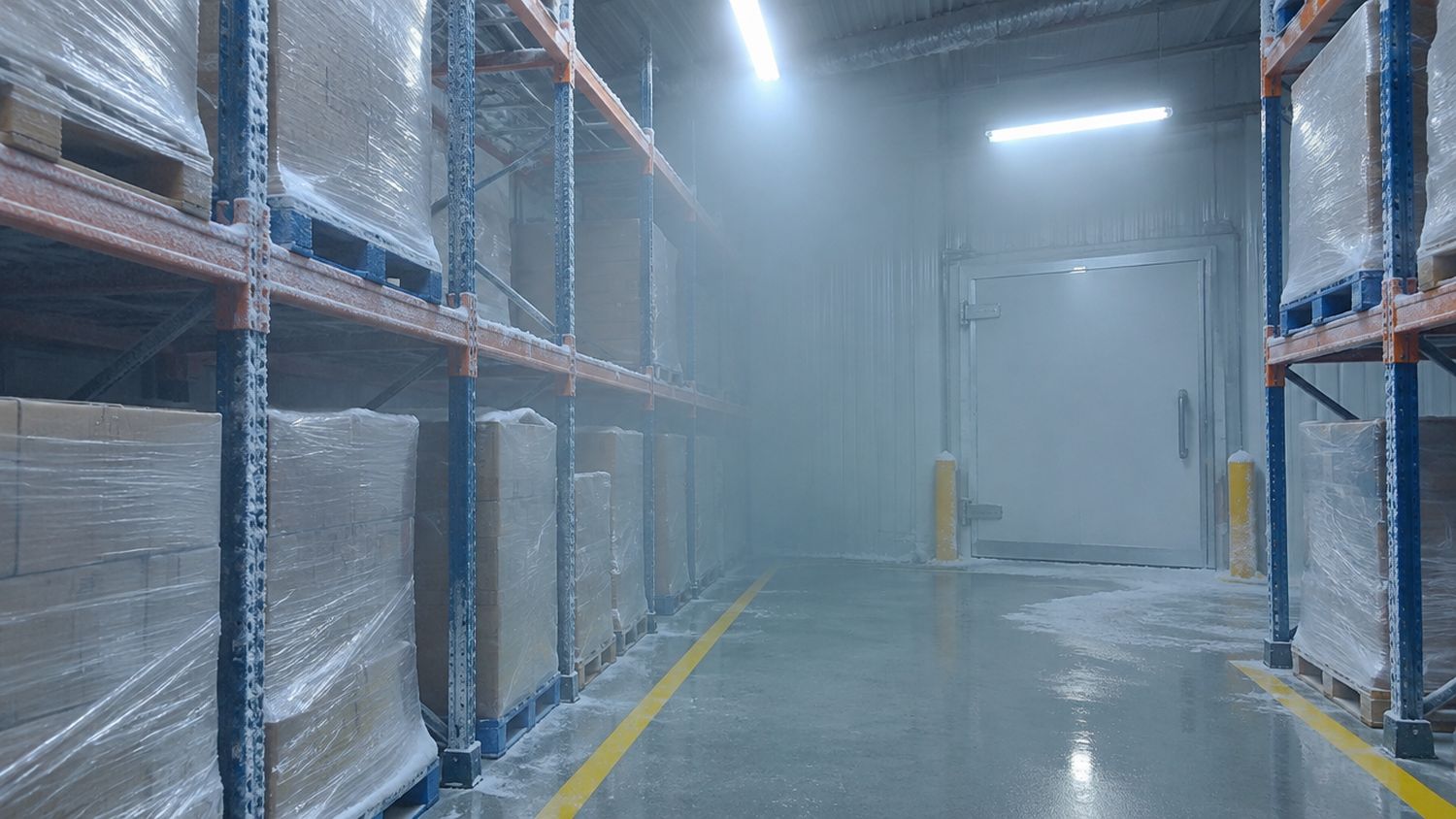
- Cold storage and freezers: where thermal cycling and condensation are factors
- Industrial wash areas: equipment cleaning bays and chemical processing rooms
For many of these, urethane cement is installed in the harshest zones while the rest of the facility uses a different system.
Comparing the Two on What Matters
- Hot water and steam: urethane cement is the stronger performer, standard epoxy is limited
- Dry and ambient areas: epoxy is well suited and often more economical
- Impact and abrasion: the thicker build of urethane cement is an advantage in heavy-duty zones
- Moisture in the slab: urethane cement is generally more tolerant, but testing is still essential
- Appearance and colour range: epoxy offers a wider range of decorative finishes
- Installation: urethane cement needs specialist crews and equipment, and its thickness affects drain and door details
Design Details That Matter More Than the Product
A thermal-shock-tolerant floor can still fail if the details are wrong. A few are critical:
- Drain edges: the junction between coating and drain frame is a high-stress zone and needs a properly detailed termination
- Coved bases: the wall-floor junction should be seamless and bonded, so hot water cannot get behind the coating
- Slope: water should flow to drains rather than pool, to reduce heat retention and sanitation risk
- Joints and cracks: movement joints need to be honoured, and cracks must be repaired before coating
- Thresholds: transitions to other floor types need to be neatly finished and protected from impact
These details are where an experienced installer earns their fee. They are also where many failures start, so we walk each of them at the site visit.
Preparing the Slab
Urethane cement is more tolerant than epoxy, but it still needs a sound, clean slab. Contaminated or softened concrete is removed, cracks and spalls are repaired and the surface is prepared to the profile the system requires. Moisture testing is still part of good practice, so that the system and any primer are matched to the slab. Our concrete repair team handles this stage, and our guide to moisture testing explains why it matters.
Installation, Cure and Downtime
Urethane cement is installed thicker and with specialized equipment, so planning matters. Work may be phased by room or area, and the cure schedule is agreed in advance. In many facilities, installation is scheduled during planned shutdowns or low-production periods, with temporary barriers to keep other areas operating. Return-to-service times depend on the system and the conditions, so ask for them in writing before you commit.
Maintenance and Care
- Follow the cleaning method and the chemicals and temperatures approved for the system
- Avoid rapid temperature extremes where possible, for example blasting boiling water on a very cold floor
- Check drains, coves and joints regularly for chips or lifting
- Repair small damage promptly to stop water from getting under the coating
- Protect floors from dragged equipment and sharp loads
- Review the floor whenever cleaning chemicals, temperatures or processes change
How to Decide for Your Facility
- List each room and describe its temperature range, wash method and chemicals
- Identify where hot water, steam or freezers are part of the daily cycle
- Choose urethane cement for zones that need it and consider epoxy or polyaspartic elsewhere
- Ask for a zone-by-zone proposal with the reasons behind each choice
- Plan the schedule around shutdowns and production needs
Common Mistakes in Wet and Hot Areas
- Choosing epoxy for a steam zone because it worked elsewhere. A system that performs in a dry corridor can fail in a dish pit.
- Ignoring the cold side. Thermal shock works in both directions, so freezer doors and cold slabs need attention too.
- Skipping drain and cove details. Most failures start at edges, not in the middle of the floor.
- Underestimating cleaning temperatures. Actual washdown water can be hotter than people remember, so measure it.
- Not planning for cure time. Returning to washdown before the system is ready can damage it in the first week.
Questions to Ask Before You Choose
- What is the highest water or steam temperature that reaches this floor, and how often?
- How long does hot water stay on the surface during cleaning?
- Are there freezers, coolers or cold storage next to the wet area?
- Which acids, alkalis and sanitizers are used, and at what concentration?
- How much slab moisture is present, and has it been tested?
- Can the installer show similar installations and explain the drain and cove details?
Your answers, together with a site walk, point to a system that matches the room. If conditions are mixed, a zoned plan is usually the best answer.
Key Takeaways
- Hot water and steam create thermal shock, which standard epoxy handles poorly when it is repeated daily
- Urethane cement is thick, cementitious and designed for heat, moisture and washdowns
- Use the more robust system only where conditions justify it, and epoxy or polyaspartic elsewhere
- Drain edges, coves and joints decide whether the floor survives, so detailing matters as much as the product
- Write down temperatures, chemicals and cleaning methods before specifying anything
Why you can rely on this guidance. Supreme Epoxy is a commercial, industrial and residential flooring contractor established in 2019, WSIB and business insured, with a 4.9 out of 5 rating from 117 Google reviews. We install the floors we write about, including warehouses completed in as little as three days and overnight installs for operations that cannot stop. This article is general information, not engineering or legal advice. We install both epoxy and urethane cement systems, so our recommendation follows the conditions in each room rather than a favourite product. Every site is different, so confirm requirements for your own space.
Book a Site Visit
If you run a plant, kitchen or wash facility with hot washdowns, a short visit can save you from an early floor failure. Book a free site visit and we will walk the zones, review your washdown temperatures and chemicals and give you a written recommendation.