Floor coating names get thrown around as if they mean the same thing. They do not. Epoxy, polyaspartic, polyurea and urethane cement are four different chemistries with different strengths, weak points and ideal uses. Picking the wrong one costs more than money. It can mean a floor that yellows, softens in a hot washdown, cracks under movement, or takes a day longer than your operation can afford. Request a free estimate to discuss your project.
This guide explains each coating in plain language, compares them across the things that matter on a real job, and shows how they are often combined. If you already know the application, you can jump to the matching service page: industrial epoxy, polyaspartic, polyurea or urethane cement.
Start with the Questions, Not the Product
Before comparing materials, answer six questions about the floor. They decide the shortlist more than any brochure does.
- What is the traffic: feet, carts, pallet jacks, forklifts with hard wheels?
- What touches the floor: oils, solvents, acids, caustic cleaners, food waste?
- Does hot water, steam or a freezer cycle ever hit the floor?
- Is the slab damp, below grade or prone to moisture vapour?
- Will sunlight reach the floor through doors or windows?
- How long can the space be out of service for installation?
Your answers point toward one chemistry or a combination. Here is how each one behaves.
Epoxy: The Dependable Workhorse
Epoxy is a two-part resin that bonds strongly to properly prepared concrete. It builds thickness economically, resists abrasion and many chemicals, and can be finished smooth, textured, coloured, flaked or marked with safety lines. It is the most widely used floor coating for warehouses, garages, showrooms, kitchens and plants.
Its limits are well known. Standard epoxy can turn amber in direct sunlight, it cures more slowly than newer chemistries, and it does not tolerate repeated thermal shock as well as a cementitious system. It also needs the slab to be reasonably dry. For most commercial and industrial spaces, none of that rules it out. It simply shapes how the system is built, for example by adding a UV-stable topcoat where sun is a problem.
Polyaspartic: Fast Cure and UV Stability
Polyaspartic coatings are a type of aliphatic polyurea. Two things set them apart: they cure fast, often allowing a floor to return to service far sooner than epoxy, and they do not yellow in sunlight the way epoxy can. That makes them popular as a topcoat over epoxy and flake, and as a stand-alone coating where downtime is expensive.
The trade-offs are practical. Polyaspartic has a short working time once mixed, so it demands experienced installers and good planning, especially on large areas. It is also less forgiving of poor preparation or damp slabs. Used well, it gives a hard, glossy, stain-resistant surface. Our commercial polyaspartic flooring page explains how it supports overnight and weekend installs.
Polyurea: Flexible and Very Fast
Polyurea is a related chemistry that sets extremely fast and stays flexible. In floors, that flexibility is the point. It moves with the slab rather than cracking, so it is widely used for joint filling, waterproofing, ramps and exterior areas that see movement and weather. Fast set times mean an area can be back in use quickly.
Because it sets so quickly, polyurea is a specialist material that depends on the right equipment and crew. It is usually not the first choice for a full decorative floor, but it plays a critical supporting role. In warehouses, for example, semi-rigid polyurea filler protects saw-cut joints from forklift damage, which we cover on our polyurea joint filling page.
Urethane Cement: Built for Heat, Moisture and Washdowns
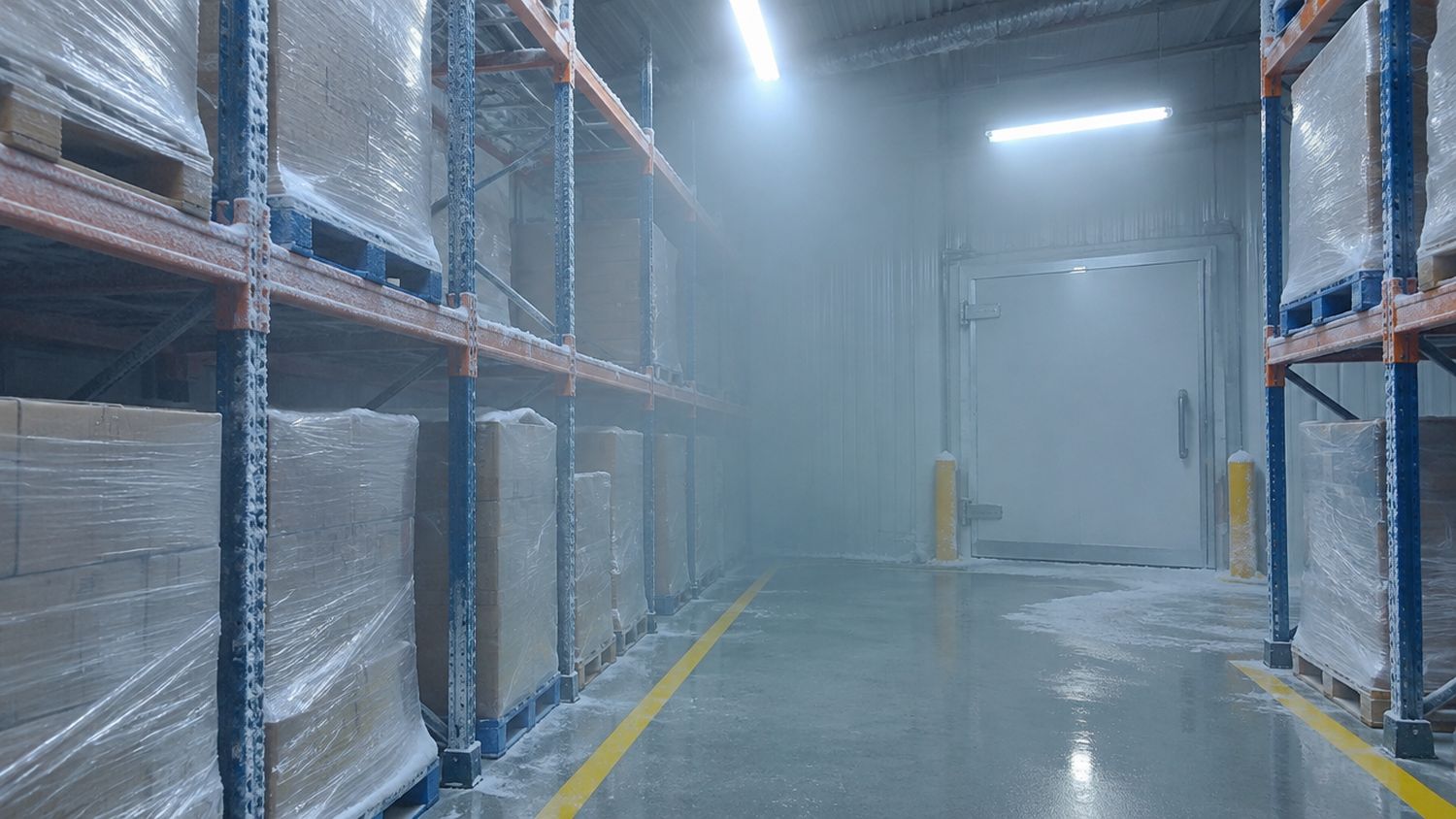
Urethane cement, sometimes called polyurethane concrete, blends urethane resin with cementitious fillers. The result is a thick, tough, heat-tolerant floor that copes with conditions that would damage a standard epoxy: hot water and steam washdowns, thermal shock from a freezer door, constant moisture and aggressive sanitation chemicals.
That makes it the standard answer for many food and beverage plants, commercial kitchens, breweries, dairies and cold storage rooms. It is usually installed thicker than epoxy, which also helps it hide slab imperfections and resist impact. See our urethane cement floor page for the installations it suits best.
Key difference to remember. Epoxy is the all-rounder, polyaspartic is the fast and UV-stable finisher, polyurea is the flexible and fast specialist, and urethane cement is the heavy-duty answer to heat and moisture.
Side-By-Side Comparison
- Cure speed: polyurea is fastest, polyaspartic is fast, epoxy is slower, urethane cement varies by system but is generally quick to return to service for its thickness
- UV stability: polyaspartic and polyurea hold their colour in sunlight, standard epoxy can amber, urethane cement is typically used indoors
- Thermal shock and hot water: urethane cement is the strongest, epoxy is the weakest of the four
- Flexibility: polyurea is the most flexible, epoxy and urethane cement are more rigid
- Thickness and build: urethane cement builds the thickest, epoxy builds thickness economically, polyaspartic is usually applied as a thinner finishing layer
- Installer skill and conditions: polyaspartic and polyurea reward experience, because short working times leave little room for error
How Real Floors Combine These Coatings
In practice the question is rarely "which one". It is "which one where". A few typical combinations:
- Residential garage: a three-coat flake polyaspartic system for UV stability and fast return to service, with an epoxy moisture vapour barrier base coat added where the slab has moisture issues
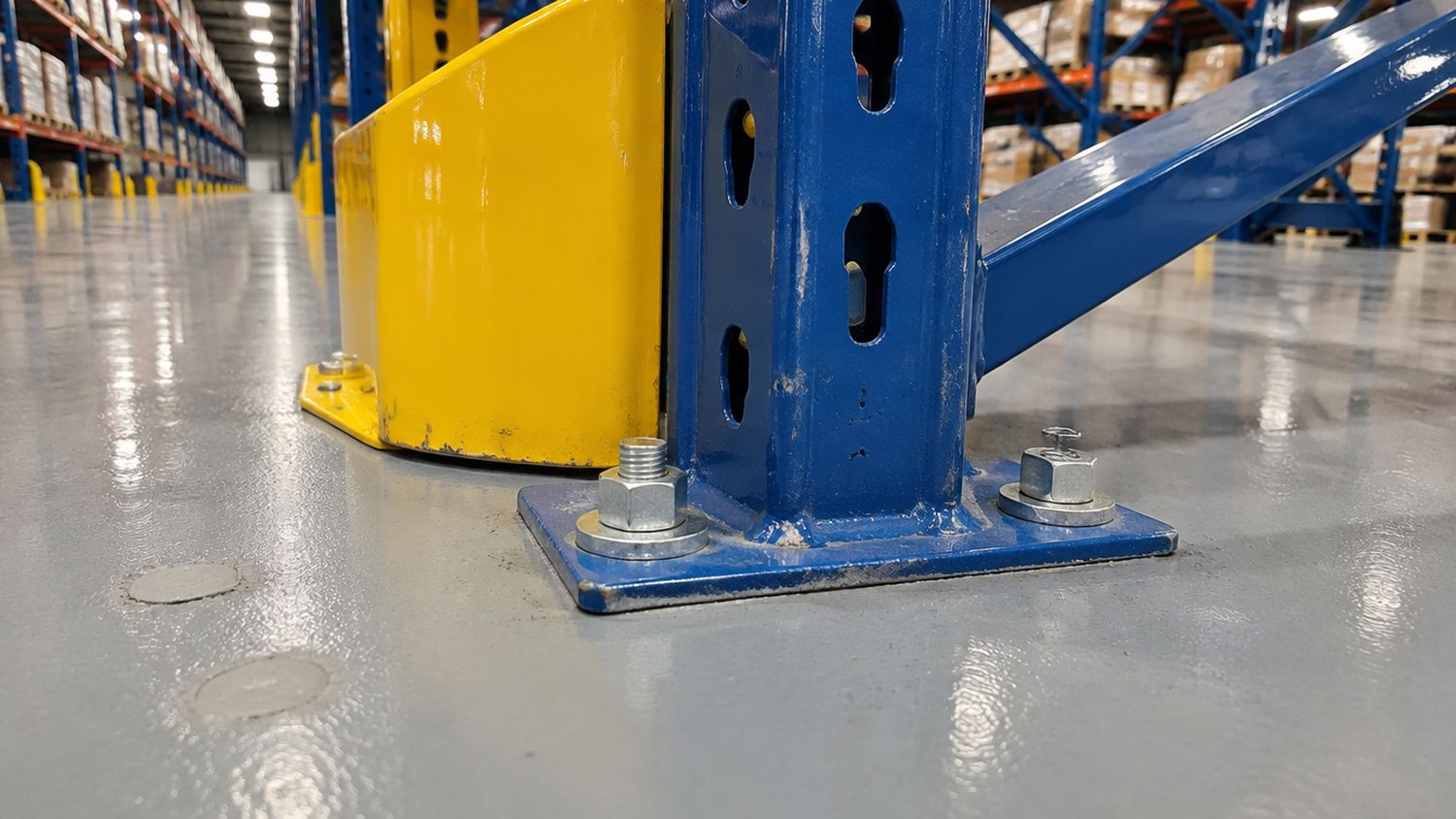
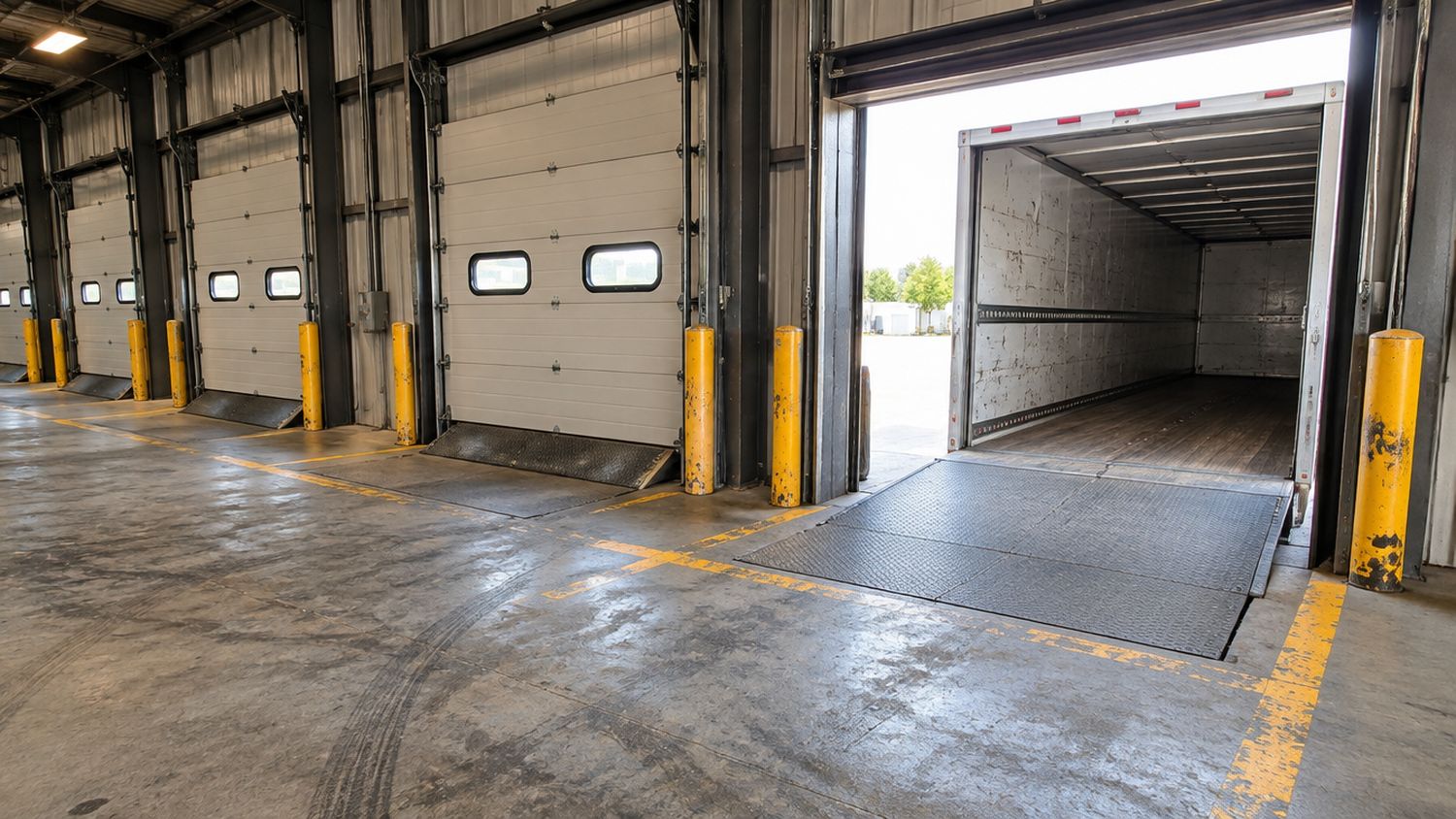
- Warehouse: epoxy or polyaspartic on the open floor, polyurea in the saw-cut joints, and coloured safety markings for lanes and zones
- Food plant: urethane cement in the wet process rooms and washdown areas, epoxy in dry storage and corridors
- Commercial kitchen: urethane cement or a robust epoxy system with a coved base and sloped drains, depending on how much hot water the floor sees
Combining systems this way lets each material do what it is best at, and it keeps cost proportional to risk. A specialist assessment of each zone avoids over-specifying the whole building to suit its harshest room.
Preparation Matters More Than Chemistry
Whichever coating you choose, it will only perform if it is bonded to a properly prepared slab. That means diamond grinding to open the surface, repair of cracks and spalls, a moisture assessment and the right primer. A premium coating over a poorly prepared slab fails sooner than a simple system over a well-prepared one. We explain the risks in our article on why epoxy floors fail, and the moisture checks in concrete moisture testing before epoxy.
Questions to Ask Before You Choose
- Which coating are you proposing for each area, and why that one?
- How will the slab be prepared and tested for moisture?
- How long will each area be out of service, and can installation happen overnight or in phases?
- What topcoat protects against UV, chemicals or hot tires in this space?
- How will joints and cracks be treated, and what maintenance will the floor need?
Common Mistakes When Choosing a Coating
- Choosing by price alone. A cheaper system that does not suit the use costs more over time through repairs and early replacement.
- Ignoring sunlight. A floor that looks perfect indoors can amber beside a glass door if the topcoat is not UV stable.
- Underestimating moisture. Some chemistries tolerate damp slabs better than others, so moisture needs to be part of the decision from the start.
- Using one system everywhere. A wet, hot process room and a dry storage aisle have different needs. Matching systems to zones is usually the best value.
- Forgetting downtime. If your operation cannot stop for days, cure speed becomes a first-order design factor, not an afterthought.
Thinking About Value Over the Life of the Floor
The right comparison is not the price of the coating alone. It is the total cost of owning the floor over the years you will use it. That includes the cost of downtime during installation and later renewals, the cost of repairs from failures, cleaning time and the risk of slips or contamination. A system that costs more up front but needs less downtime, resists the conditions it faces and renews easily can come out well ahead. A system that fails early because it was the wrong match never does.
When you compare quotes, ask each contractor to describe the system layer by layer, the preparation steps and the expected downtime. If two quotes are very different, those details usually explain why. Our epoxy flooring cost guide explains the factors that drive any quote.
Why you can rely on this guidance. Supreme Epoxy is a commercial, industrial and residential flooring contractor established in 2019, WSIB and business insured, with a 4.9 out of 5 rating from 117 Google reviews. We install the floors we write about, including warehouses completed in as little as three days and overnight installs for operations that cannot stop. This article is general information, not engineering or legal advice. We install all four of these coating families, so our recommendation follows the floor rather than a product we happen to prefer. Every site is different, so confirm requirements for your own space.
Get a Recommendation for Your Space
The right answer depends on your floor, your operation and your schedule. We look at the slab, ask about your traffic and cleaning methods, and recommend a system in writing, whether that is epoxy, polyaspartic, polyurea, urethane cement or a combination. Book a free site visit and we will walk the space with you.