A manufacturing floor does not get a gentle life. It carries forklifts and pallet jacks with hard wheels, takes dropped tools and parts, sees oils, coolants and cleaners and is walked and driven across all day, every day. Many plants run bare or poorly coated concrete for years, and then wonder why the floor dusts, stains, cracks and chips. Others install a coating that looks excellent on day one and fails because it was not matched to the abuse. Request a free estimate to discuss your project.
This guide explains the forces that wear manufacturing floors, the systems used to resist them and how to choose and plan. For the services involved, see our industrial epoxy flooring page, and for background on the chemistries, our guide to floor coating types.
What Wears a Manufacturing Floor
- Forklifts and pallet jacks: heavy loads on small, hard wheels, especially when turning
- Impact: dropped parts, tools and equipment, and the occasional dragged load
- Abrasion: constant traffic that grinds the surface and creates dust
- Chemicals: oils, coolants, solvents, acids, alkalis and cleaners
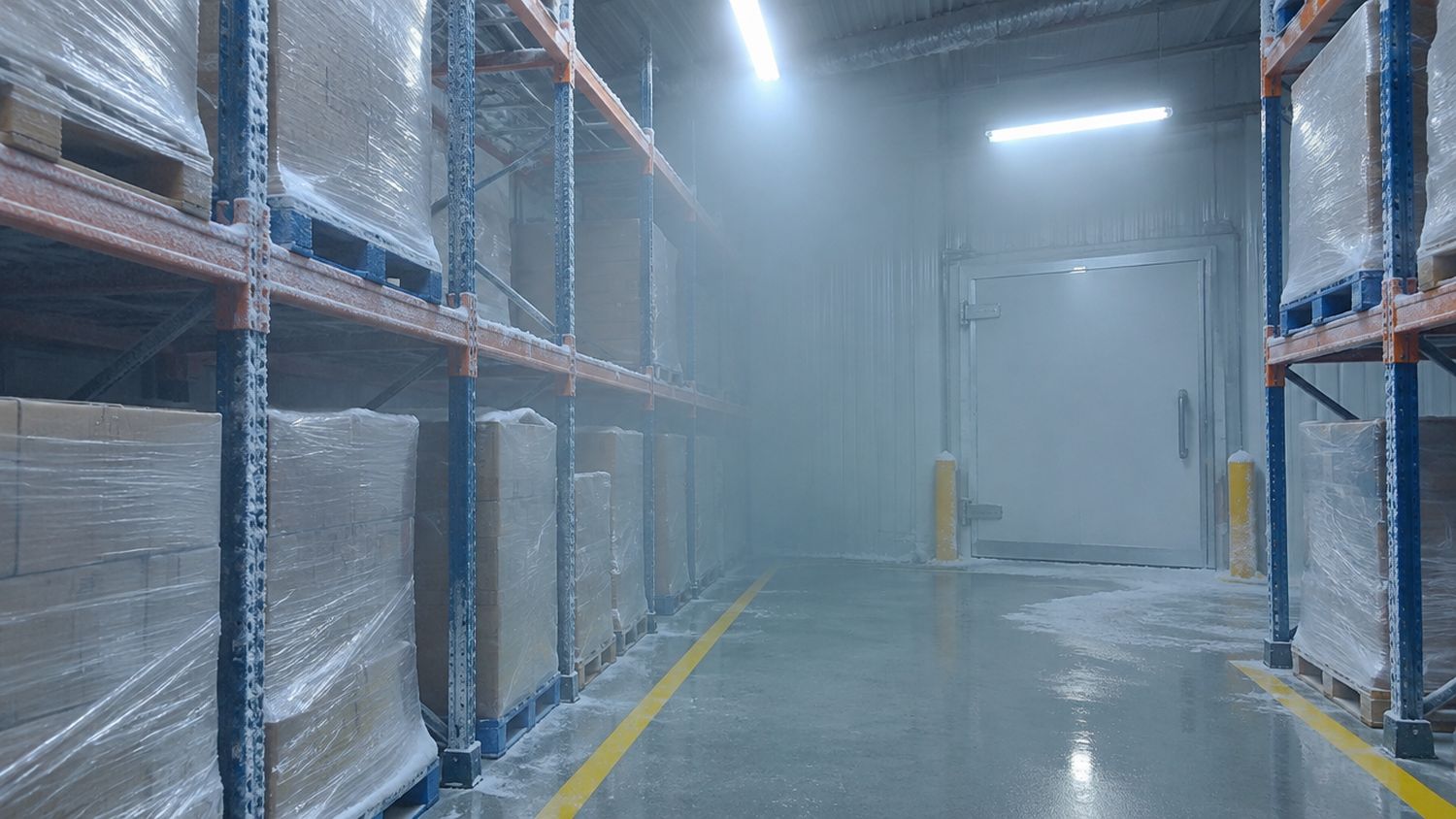
- Heat and cold: hot parts, ovens, washdown water and temperature swings
- Moisture: leaks, condensation and moisture vapour from the slab
- Vibration and movement: machinery, cracks and joints that move
Each wears the floor differently. A plant floor that is mostly impacted needs a different system from one that is mostly wet or mostly chemical.
Why Bare Concrete Falls Short
Bare concrete is porous and relatively soft at the surface. It absorbs oil and chemicals, sheds fine dust that settles on machines and products, stains permanently and wears down under wheeled traffic. It is also hard to clean and cannot carry colour-coded markings. A properly specified coating seals the surface, resists wear and chemicals, makes cleaning faster and allows markings that last.
The Main Heavy-Duty Floor Options
Multi-Layer Epoxy Systems
Epoxy systems built with several coats, often with a broadcast of aggregate between them, create a thick, tough surface with good abrasion and chemical resistance. They are widely used in general manufacturing areas, workshops and warehouses. Build thickness is tuned to traffic, and a topcoat adds wear and chemical resistance.
Epoxy Mortar Systems
Mortar systems mix epoxy with graded aggregate to form a thick, dense surface that stands up to heavy impact and abrasion. They also work as repair materials for damaged areas and as build-ups to correct uneven slabs. They are common in heavy-duty areas where wheels and loads are punishing.
Polyaspartic and Polyurethane Topcoats
Topcoats protect the system below. Polyaspartic and polyurethane topcoats offer excellent abrasion resistance, UV stability and gloss retention, and in the case of polyaspartic, fast cure times that reduce downtime. See our commercial polyaspartic flooring page.
Urethane Cement
Where heat, steam or washdowns accompany heavy traffic, thick urethane cement systems combine toughness with thermal shock tolerance. They are used in food plants, breweries and similar facilities.
Polyurea for Joints and Movement
Flexible polyurea fillers protect saw-cut joints and accommodate small slab movement. They are a key part of a durable plant floor, since joint failure is a leading cause of wear in forklift lanes. We cover this in our article on warehouse floor joints.
Zone it. A plant has loading docks, production lines, wet rooms, storage and offices. Using one system everywhere either over-specifies the quiet areas or under-protects the harsh ones. Matching the system to each zone is almost always the best value.
Thickness and Build: Matching to Duty
- Light duty: thin coatings for offices, storage and light foot traffic
- Medium duty: multi-layer systems for general plant floors with pallet jacks and occasional forklifts
- Heavy duty: thicker, aggregate-filled systems for hard-wheeled forklift lanes, impact zones and heavy machinery
- Extreme duty: mortar or urethane cement systems for punishing impact, thermal shock or aggressive chemicals
Thickness helps, but only when the system is bonded to a sound slab and installed correctly. A thick system over a poorly prepared slab fails just as surely as a thin one.
Chemical Exposure: Get the List
Manufacturing plants use a wide range of fluids. Some are harmless to resinous floors, others can soften, discolour or break them down if they sit. The best protection is to list every chemical that reaches the floor, with concentration, temperature and how long it typically stays, and compare it with the manufacturer’s chemical resistance data for the proposed system. Spill response procedures help too. A floor that can handle brief contact may not tolerate hours of soaking.
Slab Preparation and Repair
In plants, the slab is often damaged by years of use. Oil-soaked concrete, spalled joints, cracks, potholes and uneven areas all need repair before a coating. Oil contamination may call for removal of the affected concrete or special treatment. We repair and prepare using diamond grinding or shot blasting and compatible repair materials, as described on our concrete repair page. A coating over a poorly prepared slab is a short-term fix at best, as we explain in why epoxy floors fail.
Safety Markings and Slip Resistance
A coated floor is also a safer floor. Durable markings for forklift lanes, walkways, intersections and keep-clear zones can be built into the system, and texture can be added in areas where oil or water makes the floor slippery. See our article on forklift safety and floor markings for how layouts are planned.
Installing Without Stopping Production
- Phasing: coating sections of the plant in turn, with traffic redirected around the work
- Off-shift work: nights, weekends and planned shutdowns
- Fast-curing materials: shorter downtime on the busiest lanes
- Dust and odour control: containment, extraction and ventilation to protect people and product
- Coordination: with maintenance, production, safety and quality teams
Getting the Most from the Floor
- Specify by zone and use, not by a single product
- Protect joints with a suitable filler
- Clean up spills promptly and train staff on chemicals and cleaning
- Use appropriate wheels and avoid dragging steel loads
- Inspect the floor regularly and repair small damage early
- Renew topcoats in busy lanes before the base coat wears through
Common Failure Points in Plant Floors
- Saw-cut joints and construction joints: edges chip under hard wheels unless they are filled and protected
- Turning areas and intersections: wheels twist the surface and wear coatings faster than in straight runs
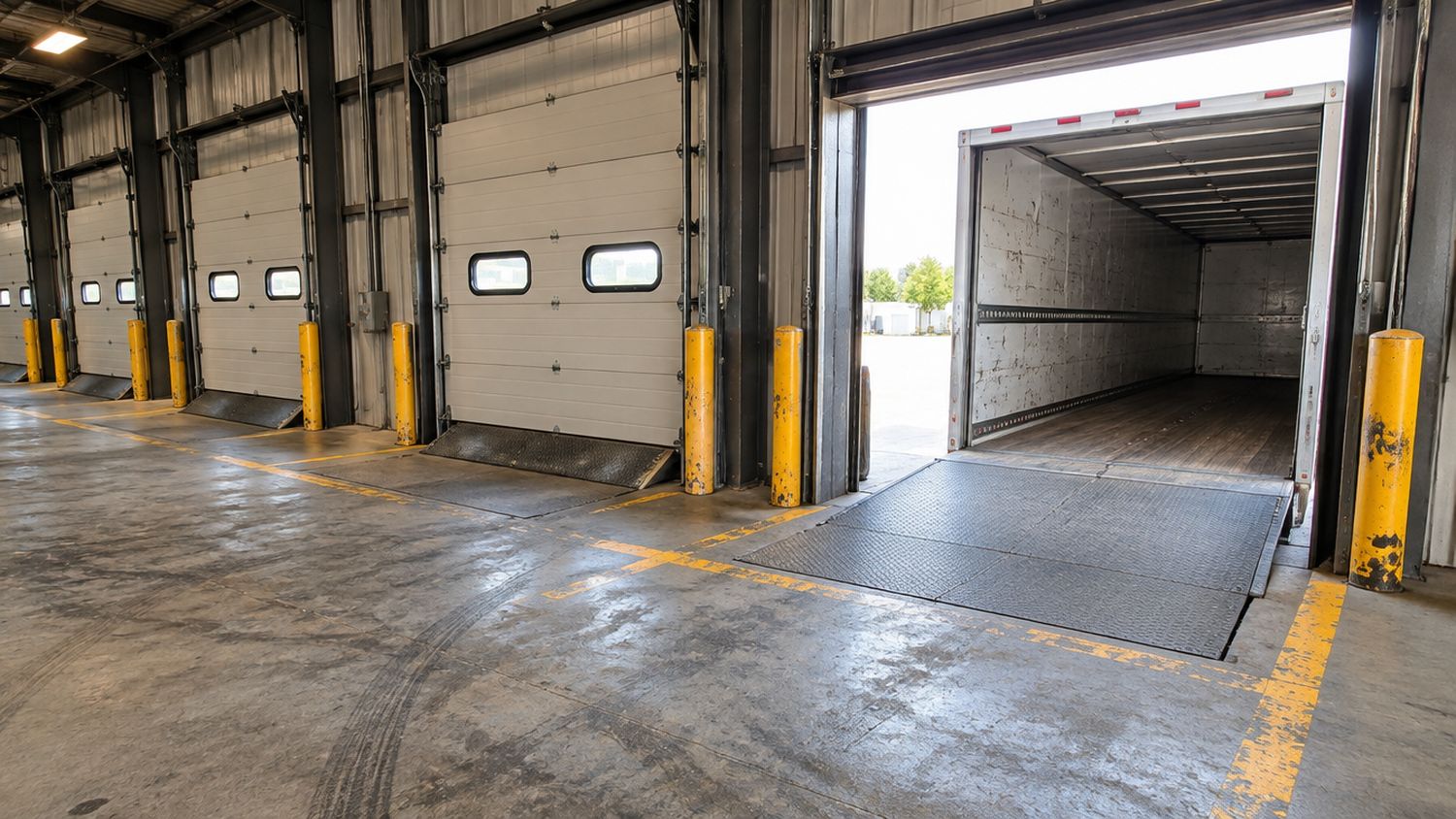
- Dock plates and thresholds: impact and movement break down edges
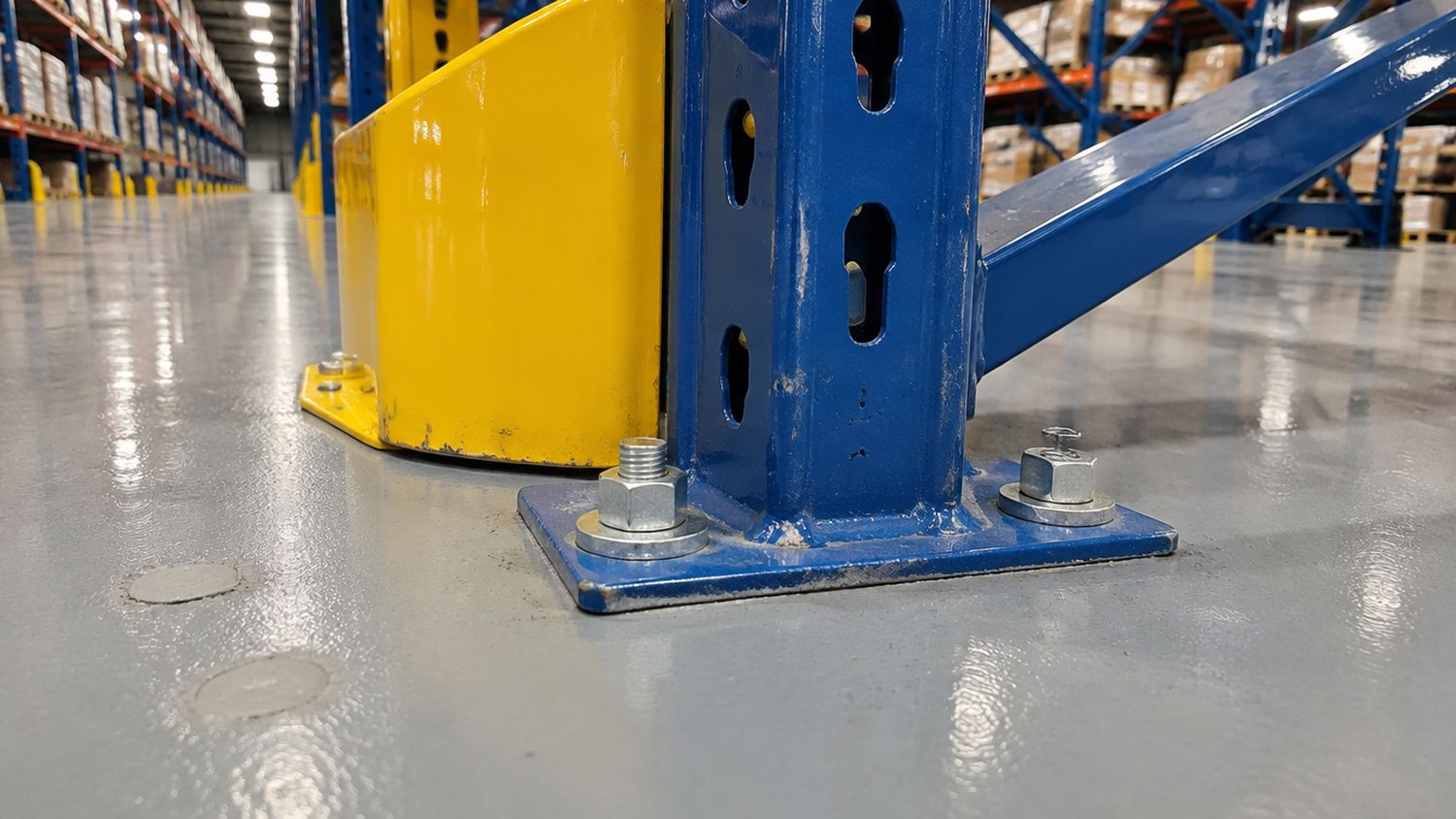
- Around machinery bases and anchor points: vibration, leaks and cracking cause local damage
- Drains and wet zones: chemicals, moisture and thermal changes concentrate at edges
- Spill areas: oils and chemicals soften the surface if they are not cleaned up quickly
Plants that inspect these locations regularly, and fix small problems early, extend the life of the whole floor. A walk-through with a camera every few months is cheap insurance.
Thinking About the Whole Life of the Floor
A manufacturing floor is an asset with a service life, and the right question is not how cheap it is to coat but how well it performs over time. A heavier system costs more to install but may last far longer in forklift lanes. A cheaper system that fails after a few months creates repeated downtime and repairs. Costs worth counting include the installation, downtime, cleaning, repairs and the effect of the floor on productivity and safety. A smooth, clean, marked floor makes it quicker to move goods, easier to find problems and safer to work on.
When you compare quotes, ask each contractor to describe the preparation, each layer of the system and the expected performance under your traffic. Our article on comparing epoxy flooring quotes shows how to do it. Planning the work in phases can also reduce disruption, as we explain in our guide to keeping a warehouse running during a floor upgrade.
Questions to Ask Your Contractor
- What traffic and loads do you assume, and how does the system suit them?
- How will you prepare the slab, repair damage and protect joints?
- What chemical resistance data supports the system for our substances?
- How thick is each layer, and what is the overall build?
- What will be done about drains, thresholds and equipment bases?
- How will you schedule work around production, and when can traffic return?
Key Takeaways
- Match the system to the abuse in each zone rather than using one coating everywhere
- Thickness helps only when the coating is bonded to a properly prepared slab
- Protect joints, because joint failure is a leading cause of wear in forklift lanes
- List every chemical that reaches the floor and check it against the manufacturer data
- Plan the installation around production, using phasing and off-shift work
Why you can rely on this guidance. Supreme Epoxy is a commercial, industrial and residential flooring contractor established in 2019, WSIB and business insured, with a 4.9 out of 5 rating from 117 Google reviews. We install the floors we write about, including warehouses completed in as little as three days and overnight installs for operations that cannot stop. This article is general information, not engineering or legal advice. We install heavy-duty floors in manufacturing and industrial settings and plan the work around production. Every site is different, so confirm requirements for your own space.
Start with a Site Walk
The most useful first step is a walk through your plant with someone who can read the floor. Book a free site visit and we will look at the traffic, chemicals and condition of the slab, then give you a written recommendation by zone, with a schedule that protects production.