Condominium buildings are like small cities. Residents see the lobby and the gym, but the building works because of spaces they rarely visit: mechanical rooms, garbage rooms, parking levels, loading docks and storage areas. Their floors take a lot of abuse. Water, salt, oil, dropped tools, wheeled carts and constant foot traffic wear raw concrete down, create dust and make cleaning difficult. A suitable coating protects the slab, improves safety and makes these spaces easier to maintain. Request a free estimate to discuss your project.
This guide is written for property managers, superintendents and condo boards who are planning floor work. It explains which areas benefit, which systems suit them and how to carry out the work with minimal disruption. For our services in this category, see our condo epoxy flooring page.
Why Condo Floors Deserve Attention
- Safety: wet, oily or dusty concrete is slippery and hard to inspect
- Cleanliness: bare concrete dusts, stains and absorbs spills, so it never looks clean
- Protection: a coating seals the surface and slows damage from water, salts and chemicals
- Maintenance: sealed floors are quicker to sweep, wash and degrease
- Appearance: clean, bright service spaces reflect well on the whole building and help staff
- Long-term planning: a coating is a cost-effective way to extend the life of the slab
Area-By-Area Guide
Mechanical and Electrical Rooms
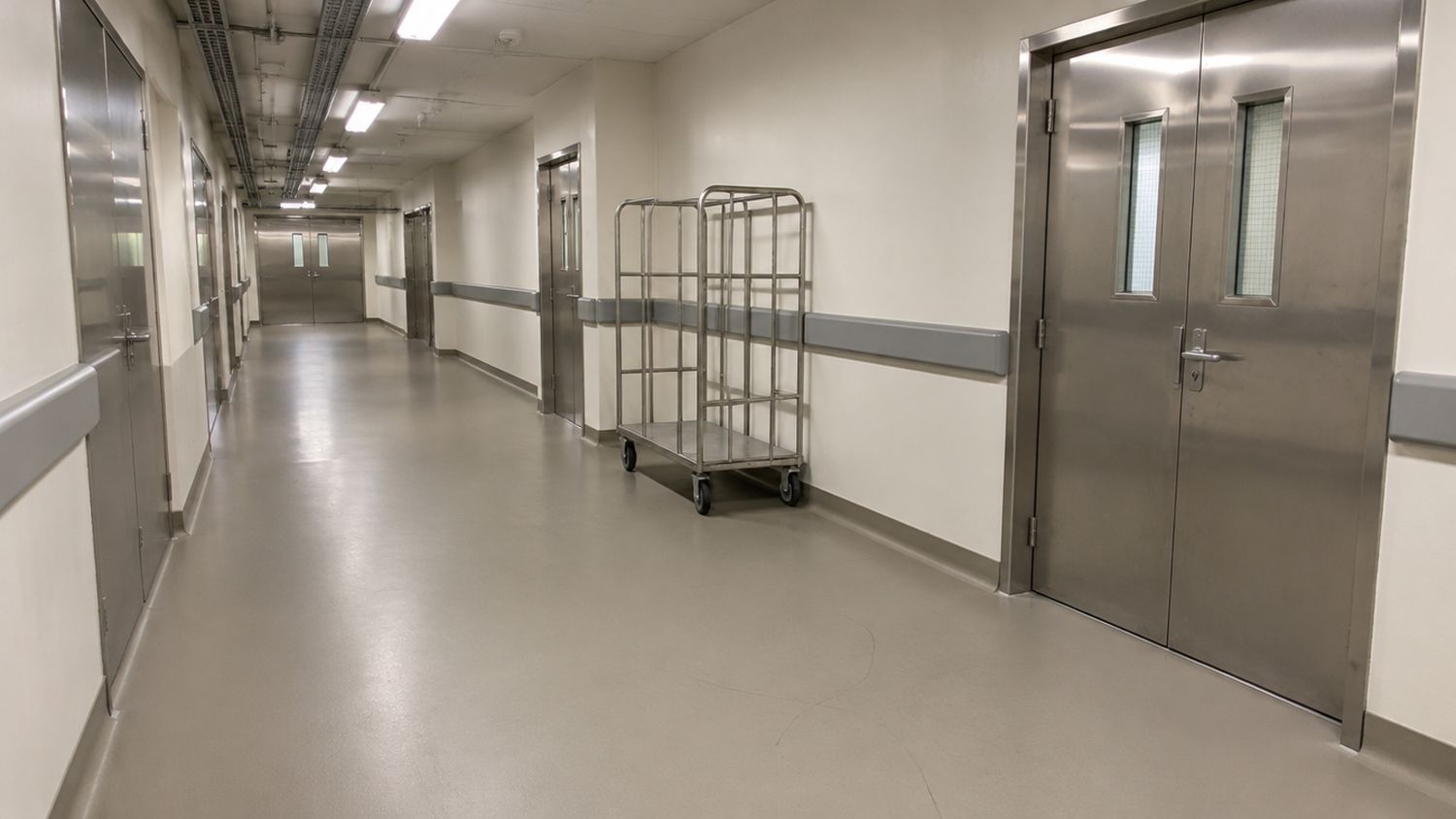
These rooms combine pumps, boilers, drains and occasional leaks. Water, glycol and oil can all end up on the floor. A seamless, chemical-resistant coating with a coved base makes the room easy to clean, and a bright colour makes leaks, drips and debris easier to see. Safety markings for walkways and clearances can be built into the floor. We cover this type of space on our condo flooring page.
Garbage, Recycling and Compactor Rooms
These are some of the hardest rooms to keep clean. Liquids, food waste and cleaning chemicals soak into raw concrete and cause lingering odours. A sealed, seamless floor with proper slope to a drain makes washing down practical and removes much of the source of odour.
Locker, Bike and Storage Rooms
Residents use these rooms daily with bikes, strollers and boxes. A durable, light-coloured coating resists scuffs, makes the room brighter and is easy to sweep. Anti-slip texture can be added in wet zones such as bike entrances.
Loading Docks and Service Corridors
Heavier traffic, carts and moving equipment call for a tougher system and good joint detailing. Safety lines and walkway markings guide movers and staff and are easier to maintain on a coated surface. See our industrial epoxy flooring page for heavy-duty options.
Amenity Spaces
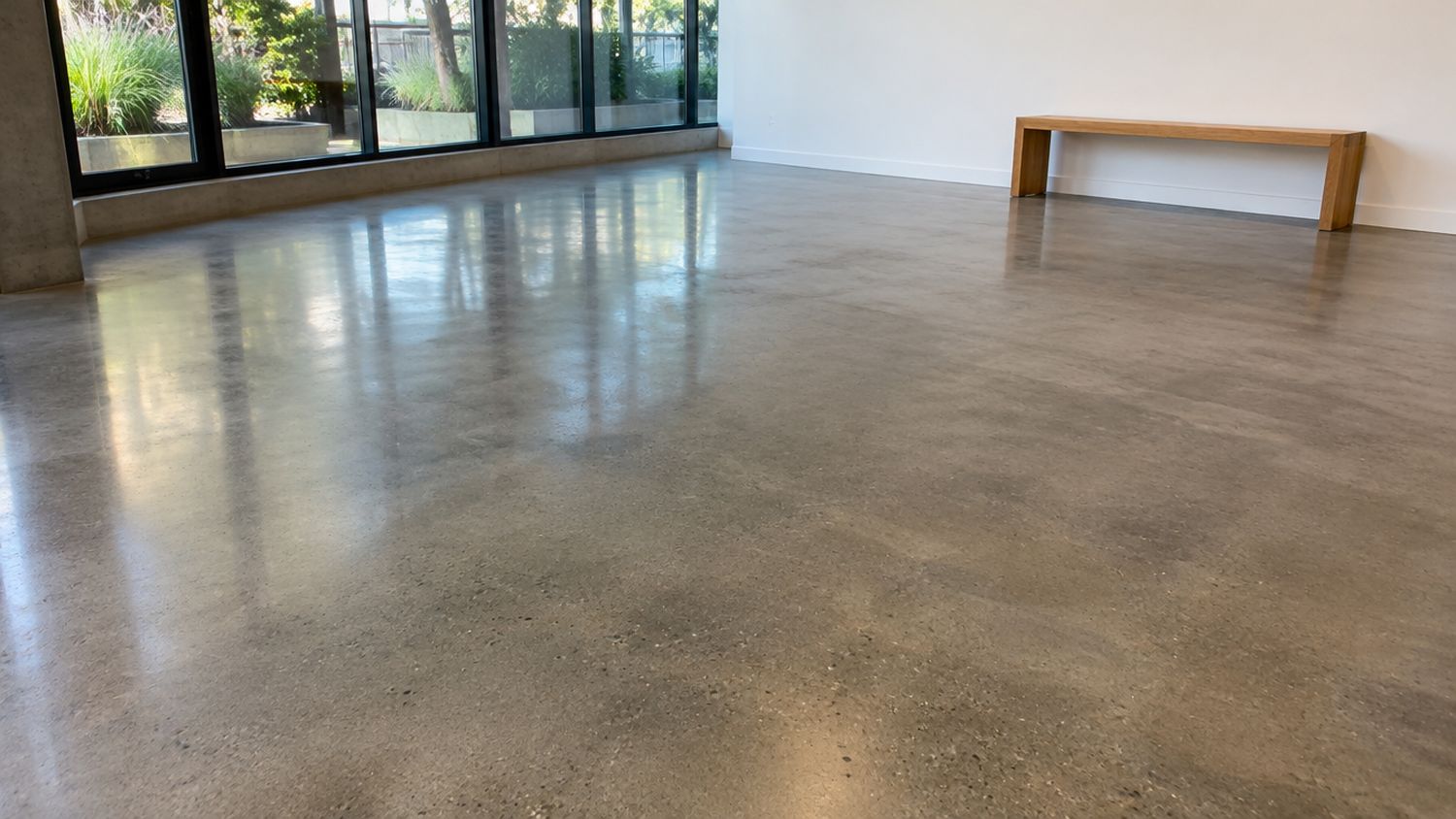
Gyms, party rooms, workshops and games rooms benefit from seamless floors that clean well and look good. Flake, metallic and polished finishes can match the design of the space. Fitness areas may need impact tolerance and grip.
Stairwells and Landings
Stairwell floors and landings see constant foot traffic and de-icing salts tracked in from outside. A coating with a fine anti-slip texture improves safety and makes cleaning easier.
Start with the areas that cost the most to ignore. Rooms with water, oil or heavy traffic, and anywhere residents or staff could slip, usually deliver the biggest return from a floor coating.
Parking Garages Are a Different Category
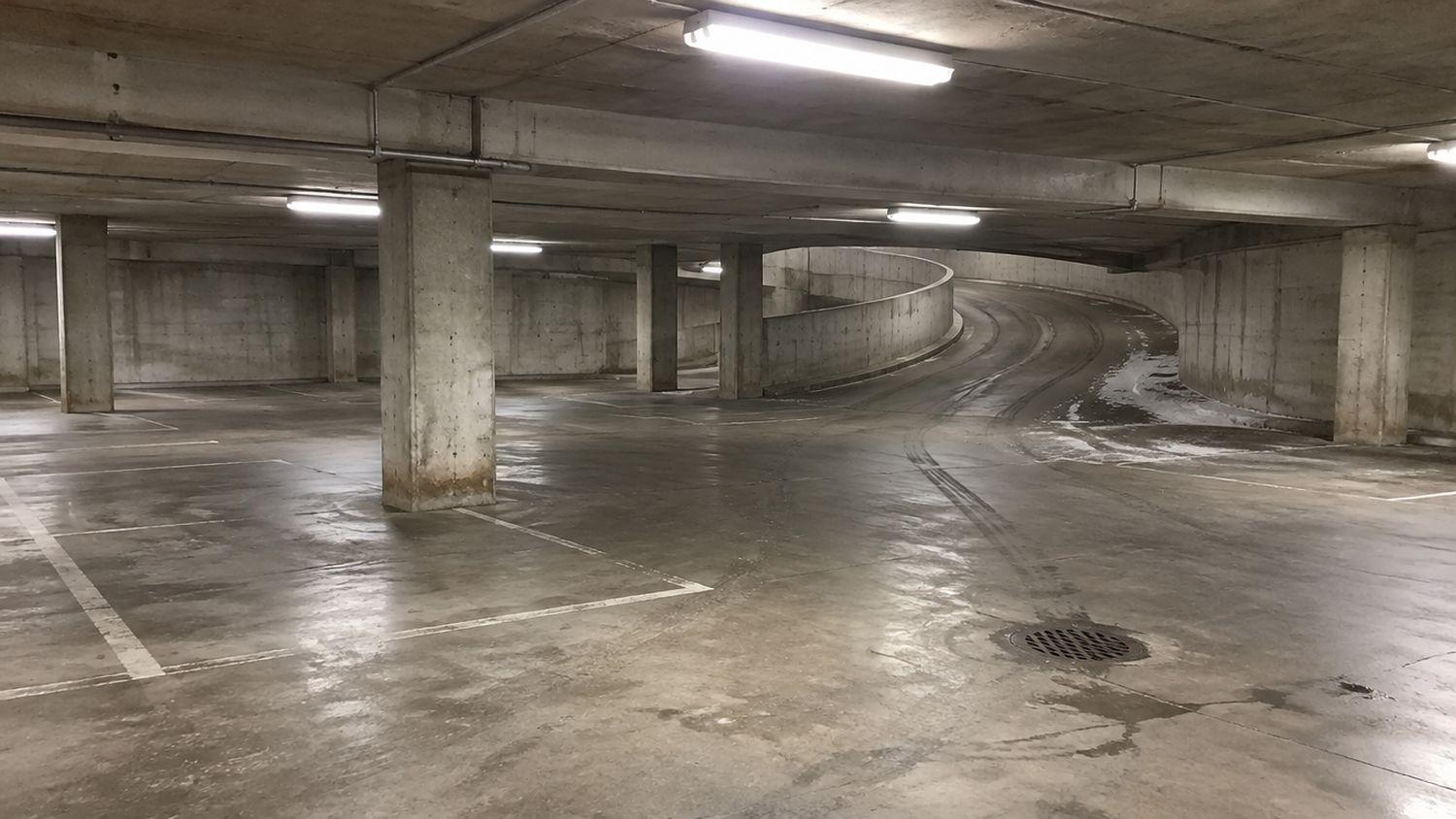
Underground and above-grade parking structures experience weather, de-icing salts, vehicle loads and structural movement. Depending on the structure, they may be treated with traffic-bearing membranes, sealers and crack repairs, and design decisions can involve structural engineers. Not every parking floor should be coated with an ordinary floor system, and the wrong choice can trap moisture or fail under traffic. Our parking garage page outlines what we assess, and we recommend involving your engineer where the structure is concerned.
Even where a full system is not appropriate, treating cracks, protecting joints and marking pedestrian zones can improve safety and durability. Ask for an assessment before choosing a product.
Repairing the Slab First
Coatings do not fix structural problems. Cracks, spalls and delaminated areas need repair before coating, otherwise they will show through or fail. Our concrete repair team handles patching, crack treatment and surface repair as part of the preparation. Where movement joints are present, flexible fillers such as polyurea help protect edges and keep joints sealed, which we explain on our polyurea coating page.
Working in an Occupied Building
Condominium work is different from an empty commercial unit, because people live above, beside and below the work. Good planning keeps disruption small:
- Notice and communication: clear notices to residents about dates, noise, odour and access
- Phased work: small sections that can be completed and reopened quickly
- Low-odour materials and ventilation: to protect residents and common areas
- Access control: barriers, signage and clear walkways so residents can pass safely
- Quiet hours: scheduling noisy work such as grinding during agreed times
- Dust control: dust-collecting grinders and cleanup that keeps shared spaces clean
- Safe handover: clear information on when each area can be used again
We explain overnight and weekend scheduling in our article on floor upgrades without closing your business, and the same ideas apply in an occupied building.
Planning and Budgeting
Condo boards plan around long-term capital needs, and floor coatings fit well into that thinking. A written scope that lists each area, the preparation, the system and the schedule makes it easier to compare quotes and to plan for future renewals. Asking for photos and notes from the site visit builds a record that can be used in planning documents. Where the work affects structural elements or building envelope, involve your engineer or consultant.
Questions to Ask Contractors
- Which areas do you recommend coating first, and why?
- How will you prepare the slab, and how will you handle cracks and joints?
- What system are you proposing for each area, and what will it resist?
- How will you keep residents informed and safe during the work?
- What is the schedule, and how will areas be handed back?
- How should we clean and maintain the floors afterwards?
Common Wear Problems in Condo Service Areas
- Dusting concrete: raw slabs shed fine dust that settles on equipment, lockers and vehicles. Sealing or coating the surface stops it.
- Oil and fluid stains: leaks from vehicles and equipment soak in and become permanent on bare concrete.
- Salt damage: de-icing salts carried in on tires attack bare slabs and can damage concrete and reinforcing over time.
- Slip hazards: wet, oily or dusty floors are a risk, especially near ramps, doors and wash areas.
- Odour and staining in waste rooms: liquids soak into concrete and keep smelling long after cleaning.
- Cracks and spalls: small defects grow with freeze-thaw cycles, wheeled traffic and water.
Catching these early is cheaper than repairing them later, which is why regular walk-through inspections are so valuable.
Safety Markings and Wayfinding
A coated floor is also a good surface for markings. Pedestrian walkways in loading areas, no-park zones in front of electrical panels, clearance lines around equipment and directional arrows in service corridors all make a building safer and easier to use. Bright, durable colours stay visible and can be refreshed when the coating is renewed. Our warehouse safety line marking guide explains how markings are specified and applied, and the same principles apply in condo service areas.
Typical Scope Items for a Condo Floor Project
- Pressure washing and degreasing of the existing slab
- Diamond grinding or shot blasting to open the surface
- Crack, joint and spall repair with compatible materials
- Moisture testing and priming where required
- Application of the chosen coating system in the agreed colours
- Anti-slip texture in areas where residents and staff walk on wet floors
- Safety markings, line striping and wayfinding where specified
- Final inspection, cure schedule and care instructions
Putting these items into a written scope for each area gives the board a clear document to review, compare and archive. It also makes it easier to plan phases, so the work can be done one area at a time over several weeks.
Care and Renewal Over the Years
A coated service area is not maintenance-free, but it is much easier to look after than bare concrete. Regular sweeping, periodic washing with suitable products and prompt cleaning of spills keep the floor in good shape. Topcoats in busy areas can be renewed after years of use rather than replacing the whole system, and small repairs can be done in short visits. Treating floors as part of the building’s routine inspection and renewal plan avoids sudden, expensive surprises.
Why you can rely on this guidance. Supreme Epoxy is a commercial, industrial and residential flooring contractor established in 2019, WSIB and business insured, with a 4.9 out of 5 rating from 117 Google reviews. We install the floors we write about, including warehouses completed in as little as three days and overnight installs for operations that cannot stop. This article is general information, not engineering or legal advice. We work in occupied commercial and residential buildings and plan around residents, staff and building operations. Every site is different, so confirm requirements for your own space.
Book a Site Visit
The easiest way to start is a walk through the building. Book a free site visit and we will look at the areas you are concerned about, discuss priorities and schedules, and give you a written recommendation for the board or management. We serve condominium buildings across Toronto and the GTA.